Condensation can be a pesky problem in many homes, leading to dampness, mould, and even structural damage if left unchecked. We’ll explore five practical ways to tackle condensation head-on and reclaim a dry, comfortable living space for you and your family.
Understanding Condensation
Condensation occurs when warm, moisture-laden air comes into contact with cooler surfaces, causing water vapour to transform into liquid droplets. This often happens on windows, walls, and ceilings, especially during colder months.
Condensation is not only unsightly but can also lead to mould growth and structural issues if not addressed promptly. Fortunately, there are several effective strategies you can implement to combat condensation and maintain a healthy indoor environment.
How to Stop Condensation?
Dealing with condensation requires a multifaceted approach. Let’s dive into five practical solutions to help you banish condensation from your home for good.
Improving Ventilation
One of the most effective ways to combat condensation is by improving ventilation throughout your home. Proper airflow helps to expel excess moisture, reducing the likelihood of condensation forming on surfaces.
Open windows regularly, especially when cooking, showering, or doing laundry, to allow fresh air to circulate. Consider installing extractor fans in kitchens and bathrooms to remove humid air directly outside.
Maintaining Optimal Indoor Temperature
Maintaining a consistent indoor temperature can also help prevent condensation. Keep your home comfortably warm, especially in areas prone to moisture buildup, such as bathrooms and basements.
Invest in a programmable thermostat to regulate indoor temperatures efficiently. Avoid drastic fluctuations in temperature, as this can increase the risk of condensation forming on cold surfaces.
Using Dehumidifiers
Dehumidifiers are excellent tools for reducing excess moisture in the air, making them invaluable in the fight against condensation.
Place dehumidifiers in areas with high humidity levels, such as basements, crawl spaces, and laundry rooms. Empty the water reservoir regularly and clean the unit according to the manufacturer’s instructions to maintain optimal performance.
Insulating Your Home
Proper insulation is key to preventing condensation by maintaining consistent surface temperatures throughout your home.
Ensure that your home is adequately insulated, paying particular attention to attics, walls, and floors. Seal any gaps or cracks around windows, doors, and plumbing fixtures to prevent warm air from escaping and condensation from forming.
Using Anti-Condensation Products
There are various anti-condensation products available on the market designed to absorb excess moisture and prevent condensation from occurring.
Consider using moisture-absorbing crystals, insulating window films, or thermal-backed curtains to combat condensation on windows and other surfaces. These products can be particularly useful in areas with poor ventilation or high humidity levels.
FAQs (Frequently Asked Questions)
Can condensation cause mould?
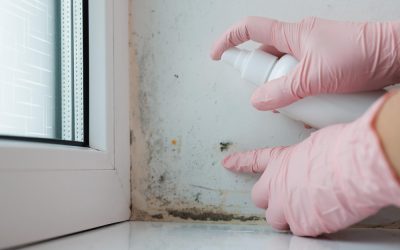
Condensation provides the perfect breeding ground for mold and mildew, which thrive in damp, humid environments. To prevent mould growth, it’s essential to address condensation issues promptly and implement effective moisture control strategies.
How do I know if I have a condensation problem in my home?
Signs of condensation include water droplets on windows, damp patches on walls or ceilings, musty odours, and peeling wallpaper or paint. If you notice any of these signs, it’s essential to take action to prevent further damage to your home.
Are there any health risks associated with condensation?
Excessive condensation can contribute to poor indoor air quality, leading to respiratory problems, allergies, and other health issues. By addressing condensation and improving ventilation, you can create a healthier living environment for you and your family.
Can I use fans to reduce condensation?
Yes, using fans to increase airflow can help reduce condensation by dispersing moisture and preventing it from accumulating on surfaces. Place fans strategically in areas prone to moisture buildup, such as kitchens, bathrooms, and laundry rooms, to maximise their effectiveness.
How often should I empty my dehumidifier?
The frequency of emptying your dehumidifier will depend on its size, capacity, and the humidity level in your home. In general, it’s a good idea to check the water reservoir regularly and empty it as needed to prevent overflow and maintain optimal performance.
Are there any DIY solutions for reducing condensation?
Yes, there are several DIY solutions you can try to reduce condensation in your home, such as using moisture-absorbing materials like silica gel or cat litter, applying insulating window film, or using a homemade dehumidifier made from charcoal or rice.
Conclusion
Dealing with condensation may seem like a daunting task, but with the right strategies and tools, you can effectively manage moisture levels in your home and prevent condensation-related issues. By improving ventilation, maintaining optimal indoor temperatures, using dehumidifiers, insulating your home, and utilising anti-condensation products, you can say goodbye to dampness and hello to a dry, comfortable living space.
Remember, addressing condensation not only improves the aesthetics of your home but also helps maintain a healthier indoor environment for you and your loved ones. So don’t let condensation dampen your spirits— Contact us today and enjoy a more comfortable, mould-free home!