When it comes to maintaining the integrity of your property, one of the most critical factors to consider is moisture. Dampness can cause a wide range of issues, from structural damage to health problems.
Whether you’re a homeowner, property investor, or landlord, a damp survey is an essential step in identifying and addressing moisture issues before they escalate.
What is a Damp Survey?
A damp survey is a thorough inspection conducted by a professional to assess the presence of excess moisture within a building. This type of survey is typically performed to identify the causes of dampness, such as leaks, rising damp, or condensation. The survey involves a combination of visual inspection and specialised tools to measure moisture levels in walls, floors, and ceilings.
The primary goal of a damp survey is to pinpoint the exact source of moisture and determine the best course of action for remediation. It can uncover hidden damp problems that might not be visible to the untrained eye, preventing future costly repairs or health issues.
Types of Damp That a Survey Can Identify
Dampness can take several forms, each requiring different treatment methods. A damp survey can help identify:
- Rising Damp: This occurs when moisture from the ground rises through the walls due to capillary action. It is most common in buildings that lack a proper damp-proof course (DPC) or where the DPC has failed.
- Penetrating Damp: Often caused by leaks in the roof, walls, or plumbing, penetrating damp allows water to enter the building from the outside, leading to damp patches on the walls or ceilings.
- Condensation Damp: This happens when warm, moist air inside the property condenses on colder surfaces such as walls or windows. Condensation damp is a common issue in kitchens and bathrooms, especially during colder months.
- Plumbing Leaks: Hidden leaks within pipes, drains, or appliances can often lead to dampness behind walls or under floors, causing long-term damage if left untreated.
Why Is a Damp Survey Important?
Dampness is not just an aesthetic problem if left unchecked, it can cause serious long-term damage to your property and health. Here are some reasons why a damp survey is so important:
Prevents Structural Damage
Excess moisture in your property can weaken the structure of your building. Over time, dampness can cause wood to rot, metal to corrode, and brickwork to degrade. A damp survey identifies the root cause of the issue, preventing further damage that could lead to expensive repairs or even the need for rebuilding.
Protects Your Health
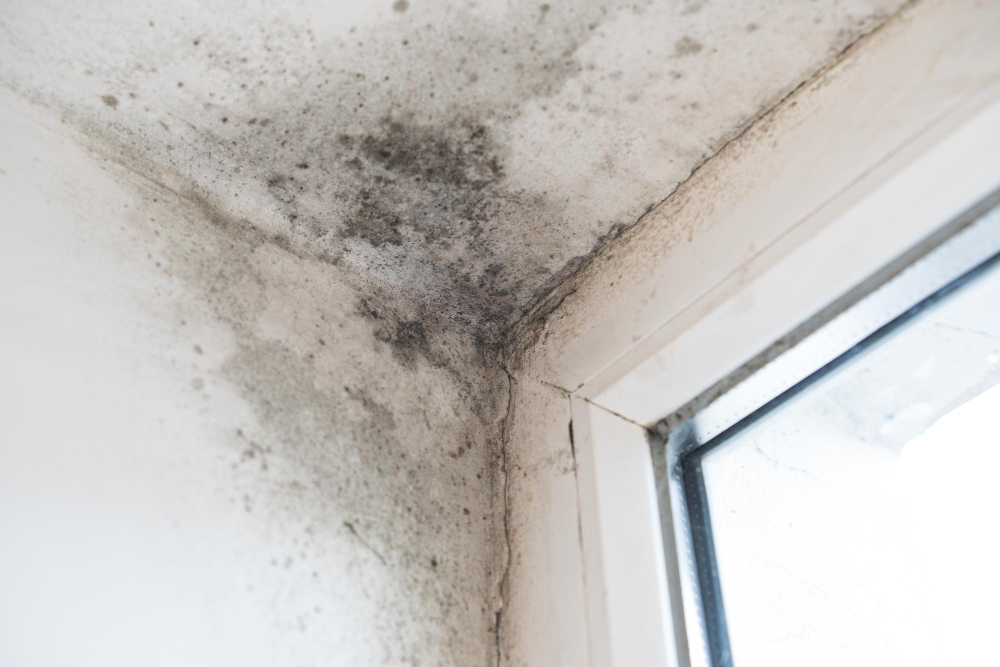
Damp environments are ideal breeding grounds for mold and mildew, which can cause respiratory problems, allergies, and other health issues. A damp survey helps detect and address hidden mold growth before it becomes a serious health concern for you and your family.
Increases Property Value
For homeowners and property investors, maintaining a dry and well-preserved property is essential for maintaining or increasing its market value. A damp survey can identify moisture problems early on, allowing you to rectify them before they affect your property’s value.
Saves Money on Future Repairs
A damp survey can save you money in the long run. By detecting issues early, you can take proactive measures to address the problem before it worsens and requires costly repairs. It’s far cheaper to fix a small issue now than to replace entire sections of a wall or floor later on.
Ensures Compliance with Regulations
For landlords, ensuring that your property is free from damp issues is not only good practice but also a legal requirement in some cases. Failure to maintain a dry and safe living environment for tenants can lead to legal issues and potential fines. A damp survey helps ensure that your property complies with health and safety regulations.
How Does a Damp Survey Work?
A professional damp survey typically involves the following steps:
- Initial Inspection: The surveyor will begin by visually inspecting your property to identify signs of damp, such as peeling paint, stained walls, or a musty smell.
- Use of Specialised Equipment: The surveyor will use tools such as moisture meters, thermal cameras, and hygrometers to measure the moisture levels in different parts of the property. These devices can detect dampness behind walls or under floors that may not be immediately visible.
- Identify the Cause: Based on the findings, the surveyor will determine the likely cause of the dampness. This may involve checking for issues like faulty plumbing, inadequate ventilation, or a broken damp-proof course.
- Provide a Report: Once the survey is complete, you will receive a detailed report outlining the findings and recommended actions to address the damp issues.
How to Choose a Damp Surveyor
When choosing a professional for your damp survey, it’s important to ensure that they have the relevant experience and qualifications. Look for surveyors who are members of recognised organisations such as the Property Care Association (PCA) or the Royal Institution of Chartered Surveyors (RICS). These certifications indicate that the surveyor follows industry standards and uses up-to-date methods and equipment.
Contact Us for a Professional Damp Survey
If you’re concerned about dampness in your property, don’t wait until it’s too late! Early intervention is key to preventing long-term damage. Our team of experienced damp surveyors can help identify any damp issues and provide expert recommendations for treatment.
Whether you’re a homeowner looking to protect your investment or a landlord ensuring the safety of your tenants, we offer comprehensive damp surveys tailored to your needs. Contact us today to schedule a survey!