When it comes to safeguarding your home from water damage, two common terms you’ll encounter are damp proofing and waterproofing. Although they may sound similar, they refer to different techniques that offer varying levels of protection against moisture. Understanding the distinction between the two can help homeowners make informed decisions about how best to protect their properties.
What is Damp Proofing?
Damp proofing is a method used to prevent moisture from entering a building, primarily in areas where the risk of heavy water exposure is low or moderate. This technique is commonly applied to walls and floors that are at or above ground level. The goal of damp proofing is to protect your home from rising damp, where moisture from the ground seeps upward into the structure. Typical methods include the installation of damp proof courses (DPC), damp proof membranes (DPM), and the use of moisture-resistant paints or sealants. These solutions are generally sufficient for preventing minor dampness and maintaining the integrity of your home in areas that are not exposed to significant water pressure.
What is Waterproofing?
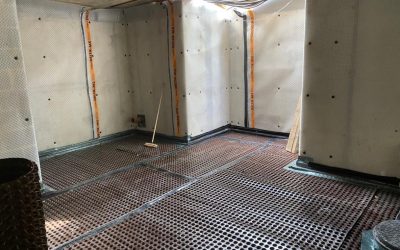
Waterproofing, on the other hand, is a more comprehensive and robust solution designed to protect buildings from significant water exposure. It’s especially important in areas like basements, foundations, or underground spaces, where water can easily infiltrate. Waterproofing methods include the application of exterior waterproof coatings, the installation of drainage systems such as sump pumps and French drains, and the use of advanced membrane systems that are designed to withstand high water pressure. Unlike damp proofing, waterproofing is designed to protect against substantial water ingress, making it necessary in environments where the threat of flooding or constant moisture exposure is high.
Key Differences Between Damp Proofing and Waterproofing
The primary difference between damp proofing and waterproofing lies in the level of protection they offer. Damp proofing is generally used for minor moisture issues, while waterproofing provides more robust protection in areas with significant water risks.
- Damp Proofing: Best suited for areas with low or moderate moisture exposure, such as above-ground walls and floors. It focuses on preventing minor dampness and moisture buildup.
- Waterproofing: Necessary for high-risk areas like basements and foundations, where water is a constant threat. It provides a much stronger barrier against substantial water infiltration, preventing damage caused by flooding or excessive moisture.
When Should You Use Damp Proofing vs. Waterproofing?
Deciding whether to use damp proofing or waterproofing depends largely on the severity of water exposure in your home.
- Damp Proofing: Ideal for areas that experience low humidity or only occasional moisture. It’s commonly used in homes with dry climates or where there is minimal risk of water damage. Damp proofing is also useful for preventing rising damp in areas such as ground-level walls or floors.
- Waterproofing: Essential for homes that are at risk of flooding, have high water tables, or where constant moisture exposure is a concern. This includes basements, foundations, and underground spaces. Waterproofing systems are designed to withstand continuous or high-pressure water and provide long-term protection against flooding and moisture buildup.
Benefits of Damp Proofing and Waterproofing
Both damp proofing and waterproofing offer distinct benefits, depending on the needs of your property.
- Damp Proofing: Cost-effective, easy to apply, and typically faster to install. It’s a great solution for minor moisture issues and can help prevent small problems from turning into more significant damage. Damp proofing is also a good option for homeowners on a budget who need to protect areas with low moisture exposure.
- Waterproofing: Provides more durable, long-term protection against severe water damage. It helps prevent mould, rotting wood, and other structural issues caused by prolonged moisture exposure. While waterproofing can be more expensive and complex to install, it offers peace of mind, especially for homes in flood-prone areas or those with basements or foundations at risk.
Conclusion: Which Is Right for You?
In summary, damp proofing and waterproofing are not the same thing, and each serves a unique purpose. Damp proofing is perfect for areas with low moisture exposure, providing basic protection against dampness. Waterproofing, however, is necessary for areas that are frequently exposed to water or heavy moisture, offering a more durable and comprehensive solution. By understanding the key differences, you can choose the right approach for your home and ensure it stays safe and dry for years to come.
Ready to Protect Your Home?
We’ll assess your property’s needs and recommend the best damp proofing or waterproofing solution tailored to you. Contact us today for a free estimate!