Cavity wall insulation is widely promoted as a smart way to improve your home’s energy efficiency. However, not all installations go to plan. Over the years, some homeowners have faced problems that lead them to ask: “Is it worth removing cavity wall insulation?”
In this post, we’ll explore when cavity wall insulation becomes more of a hindrance than a help, the issues that can arise, and whether removing it is the right solution. If you’re unsure about what to do with your existing insulation, read on.
When Cavity Wall Insulation Becomes a Problem
While cavity wall insulation is beneficial for many homes, it’s not always suitable for every property. Poor installation, unsuitable wall types, or location in a high-exposure area can all cause issues down the line.
Common reasons for considering removal include:
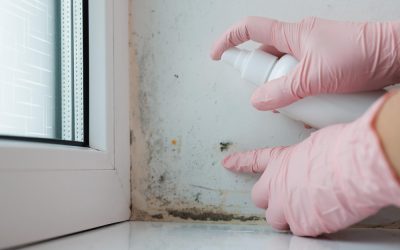
- Damp and mould: If insulation gets wet, it can bridge moisture from the outer wall to the inner wall, causing internal damp patches, mould growth, and damage to plasterwork.
- Incorrect installation: Not all insulation jobs are carried out by professionals. Poor workmanship or use of the wrong materials can lead to serious problems.
- Unsuitable property: Some older or exposed properties simply weren’t ideal for insulation to begin with especially if cavities were too narrow or not properly cleared before filling.
- Settlement or voids: Over time, insulation may settle unevenly, leading to cold spots, draughts, and a loss of effectiveness.
Signs That You May Need to Remove It
It’s not always obvious that cavity wall insulation is causing problems. Here are some signs to look out for:
- Cold or damp patches on internal walls
- Unexplained spikes in energy bills
- Persistent condensation or mould growth
- Musty smells, particularly after rainfall
- Evidence of water ingress or deterioration in wall rendering
If you notice any of these symptoms, a professional survey is essential to determine whether the insulation is to blame.
The Removal Process
Cavity wall insulation removal is a specialist job and should only be carried out by trained professionals. The process generally involves:
- Assessment: A full cavity inspection using a borescope camera or thermal imaging is carried out to assess the extent of the issue.
- Drilling access points: Similar to the installation process, holes are drilled into the external walls to gain access to the cavity.
- Vacuum extraction: Special machinery is used to extract the insulation material (e.g. mineral wool or polystyrene beads).
- Post-removal inspection: The cavity is checked for any remaining debris or damage.
- Wall repair: The access holes are filled and matched to the original brick or render.
The process typically takes 1–3 days, depending on the size of the property and the type of material being removed.
Pros of Removing Cavity Wall Insulation
Resolve Damp Problems
If insulation is the root cause of your damp issues, removing it can significantly improve your living environment and protect your property from further damage.
Restore Thermal Performance
Paradoxically, failing insulation can make your home colder. Once removed, you can explore more suitable solutions, such as external or internal wall insulation.
Peace of Mind
Getting rid of faulty insulation removes the worry of long-term structural or moisture-related problems especially if your home was never a good fit for cavity fill.
Potential Drawbacks to Consider
Removing cavity wall insulation is not a decision to take lightly:
- Cost: Removal can be expensive, depending on the home size and material used.
- Disruption: Though external, the process can be noisy and messy. There’s also a temporary visual impact on your walls until repairs are completed.
- Temporary drop in insulation: Once removed, the wall will return to its uninsulated state unless an alternative is installed.
Alternatives After Removal
After removal, you might be wondering how to keep your home warm and efficient. Options include:
- External wall insulation: Adds a layer of insulation to the outside of your walls, often with an attractive rendered finish.
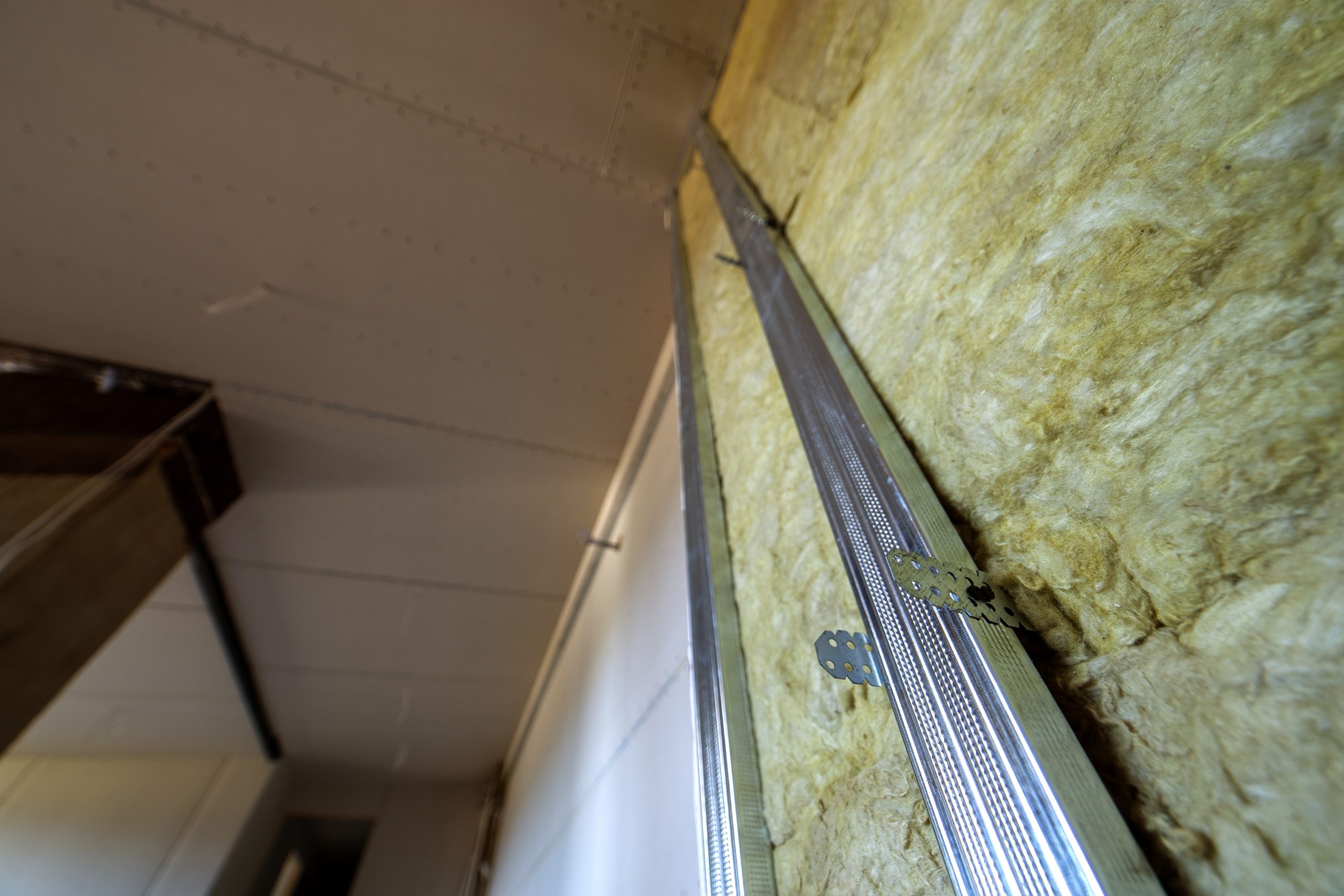
- Internal wall insulation: Boards or stud walls fitted inside can improve thermal performance without altering the exterior.
- Partial cavity refill: In some cases, a more suitable insulation material can be installed correctly, if the property allows.
Should You Remove It?
Ultimately, removal is worth considering if:
- You’re experiencing ongoing damp or cold issues traced back to the insulation.
- A survey confirms incorrect installation or material use.
- Your home was never suitable for cavity insulation in the first place.
If your insulation is performing well and your home shows no signs of distress, there’s usually no need to remove it.
Conclusion
While cavity wall insulation can be a fantastic investment when done correctly, it’s not a one-size-fits-all solution. If you suspect yours is causing problems, taking action early can save you money and stress in the long term.
Need Expert Advice?
If you’re unsure whether your cavity wall insulation needs to be removed, don’t guess book a professional survey today. Our qualified specialists will assess your property, identify any issues, and guide you through the best next steps.
Contact us now to schedule your free consultation. Protect your home, your health, and your comfort.