Damp is one of the most common issues in UK homes, yet it often goes unnoticed until it becomes a serious (and expensive) problem. Left untreated, damp can damage your property, harm your health and lower the value of your home.
The good news? The earlier you spot the signs, the easier it is to fix.
Here are the top 10 signs your home may have a damp problem and what to look out for.
1. Musty Smells
A persistent musty or earthy smell is often one of the first indicators of damp. If a room smells stale no matter how much you clean or air it out, trapped moisture could be the cause.
2. Mould Growth
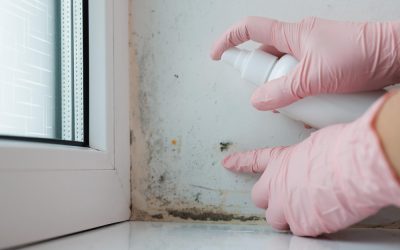
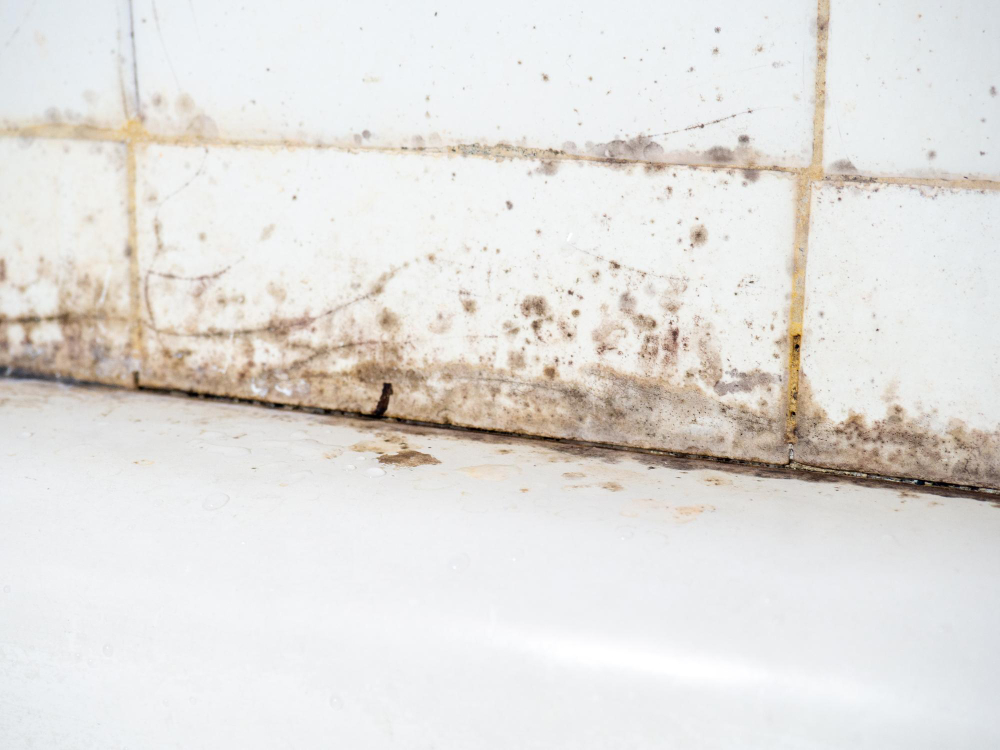
Black, green or white mould spots on walls, ceilings, or around windows are a clear warning sign. Mould thrives in damp, humid conditions and spreads quickly if not treated properly.
Common places to check:
- Behind furniture
- In cupboards
- Around window frames
- In bathrooms and kitchens
3. Peeling Wallpaper or Paint
If your wallpaper is peeling, bubbling or lifting away from the wall, damp may be weakening the adhesive. Flaking or blistered paint can also signal moisture trapped beneath the surface.
4. Damp Patches on Walls or Ceilings
Dark or discoloured patches that don’t dry out are a classic sign of damp. These patches may grow larger over time and often appear after rain.
5. Cold or Clammy Walls
Walls affected by damp often feel cold or slightly wet to the touch. Even when your heating is on, these areas may remain chilly.
6. Condensation Build-Up
Regular condensation on windows, mirrors and walls can lead to damp problems. While some condensation is normal, excessive moisture indoors can create the perfect environment for mould.
7. Tide Marks on Walls
Horizontal “tide marks” or staining on lower walls are commonly linked to rising damp. These marks are caused by groundwater travelling up through the wall.
8. Rotting Skirting Boards or Flooring
Wooden skirting boards, floorboards, or window frames that are crumbling, warped, or rotting may have prolonged exposure to moisture.
9. Increased Allergy or Respiratory Issues
Damp and mould can affect indoor air quality. If household members experience more coughing, sneezing, or breathing issues at home, damp could be a contributing factor.
10. Damp or Humid Feeling Indoors
If your home feels persistently humid or damp despite ventilation and heating, excess moisture may be trapped within the structure.
Don’t Ignore the Signs
Damp rarely goes away on its own. In fact, it usually gets worse over time. What starts as a small patch can turn into structural damage, costly repairs, and health concerns.
Professional assessment is the safest and most effective way to identify the cause and fix the problem properly.
Contact Us for Expert Damp Removal
If you’ve noticed any of these signs in your home, it’s best to act sooner rather than later.
Contact us today for a professional damp inspection and removal service. Our experienced team can diagnose the issue, provide long-lasting solutions, and help keep your home dry, safe and healthy.