Many homeowners don’t think about their cellar until a problem becomes obvious. Because cellars sit below ground level, they are naturally more vulnerable to moisture intrusion. Over time, water can seep through walls, floors and small cracks, leading to a range of issues that affect both your property and your health. Recognising the early warning signs can help you address the problem before it becomes more serious and costly.
Persistent Damp or Musty Smells
One of the earliest and most noticeable signs of moisture problems in a cellar is a persistent damp or musty smell. This odour is often caused by excess moisture in the air or water trapped in building materials such as concrete, wood, or plaster. Even if you cannot see visible water damage, a lingering damp smell may indicate that moisture is present and waterproofing may be needed.
Visible Damp Patches on Walls or Floors
Dark patches or discolouration on cellar walls and floors are often clear indicators that water is penetrating the structure. These damp areas may appear after heavy rainfall or remain visible for long periods. If left untreated, moisture can weaken building materials and eventually lead to structural damage.
Mould or Mildew Growth
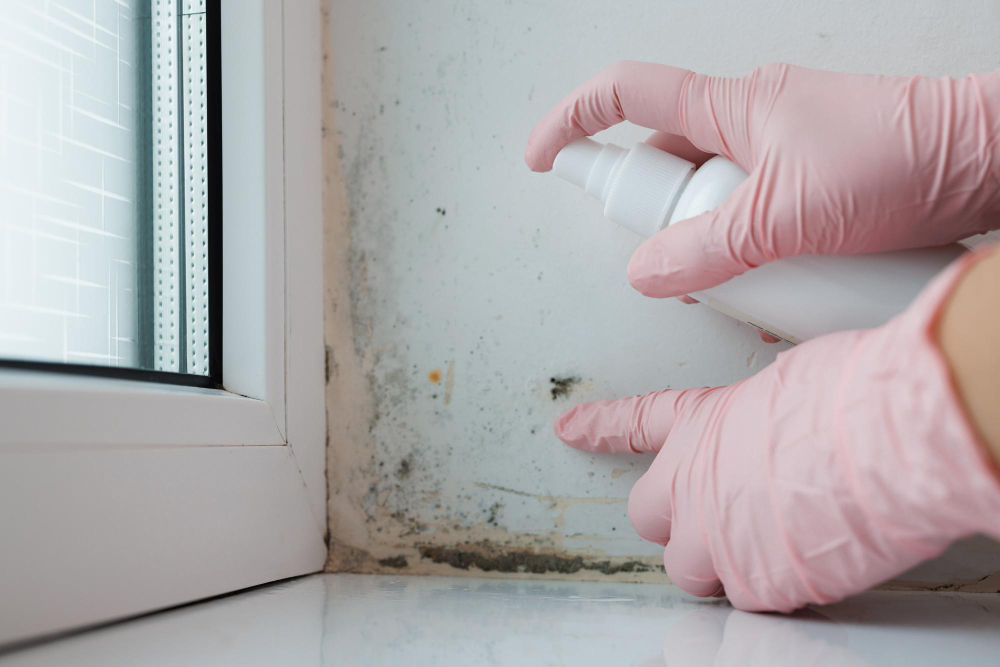
Mould and mildew thrive in damp, poorly ventilated environments, making cellars a common place for them to develop. You may notice black, green, or white spots forming on walls, ceilings, stored items or wooden surfaces. Besides damaging materials, mould can also affect indoor air quality and trigger respiratory issues.
Cracks in Walls or Floors
Small cracks in cellar walls or floors may seem harmless at first, but they can become entry points for water. As water continues to penetrate these openings, the cracks may expand and lead to more significant structural concerns. Waterproofing systems can seal these vulnerable areas and prevent further damage.
Peeling Paint or Flaking Plaster
Moisture trapped behind walls can cause paint to bubble, peel, or flake away. Similarly, plaster may begin to crumble or deteriorate. These visible changes often signal that water is present within the structure and that waterproofing may be necessary to stop further damage.
Water Stains or Efflorescence
Water stains or a white powdery residue on cellar walls known as efflorescence are signs that moisture has moved through the masonry. As water evaporates, it leaves behind mineral deposits, which appear as chalky marks on the surface. While the residue itself is harmless, it indicates that water is entering the cellar walls.
Pooling Water or Minor Flooding
The most obvious sign that your cellar needs waterproofing is the presence of standing water or small floods after heavy rainfall. Even occasional pooling water can damage flooring, stored belongings, and structural materials if not addressed quickly.
Don’t Ignore the Warning Signs
Moisture problems rarely resolve themselves. In fact, they usually become worse over time if left untreated. Identifying these warning signs early allows homeowners to take action before significant structural damage or costly repairs occur.
Protect Your Cellar with Professional Waterproofing
If you’ve noticed any of these signs in your cellar, it may be time to consider professional waterproofing solutions. Acting early can prevent further damage and help maintain a dry, safe, and usable space.
Contact our team today for advice and a free consultation. We’ll assess your cellar, identify the source of the problem and recommend the most effective waterproofing solution to protect your home for years to come.