

Basement
Waterproofing Fulham

We’re honest and transparent
Provide long term guarantees
We are surveyors,
not salespeople
0% finance
available
Comprehensive surveys and expert advice
How To Waterproof A Basement
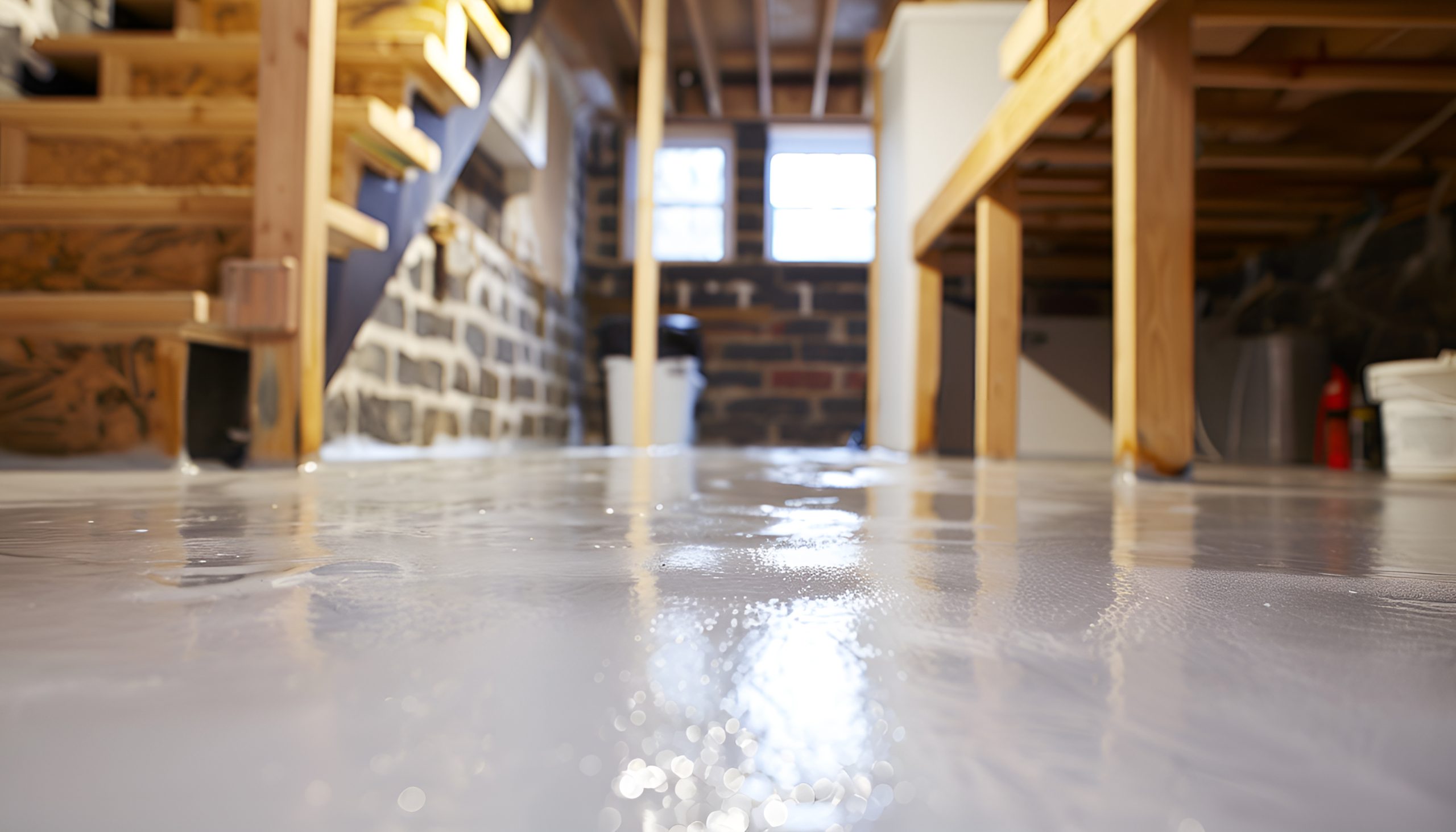
There is more than one way to waterproof a cellar or basement. Various systems, products, and manufactures. Our surveyor will discuss your requirements and then provide an effective solution to ensure you achieve the desired result, a dry, usable space that adds value to your home.
Following BS8102: 2022

Type A, B & C systems
Basement waterproofing solutions are generally divided into three types: Type A (barrier protection), Type B (integral structural protection), and Type C (drainage-based protection). Choosing the right system is essential for creating the ideal environment in your basement. In high-risk areas, a combination of systems may offer the best protection. Each method has its own advantages and drawbacks, which our expert surveyors will carefully assess and explain, ensuring you receive the most suitable solution for your specific needs.
Planning & Building control

Frequently Asked Questions
What is basement waterproofing?
Basement waterproofing is the process of preventing water from entering your basement through walls, floors, or joints. It involves a variety of techniques and systems to keep moisture and dampness out, ensuring a dry and safe environment.
Why is basement waterproofing important?
Waterproofing is essential to prevent structural damage, mould growth, and the deterioration of the space. It also helps maintain the overall value of your property and ensures the safety and comfort of your home.
What should I do if my basement is already leaking?
If you notice leaks or dampness in your basement, it’s important to contact a professional waterproofing specialist as soon as possible. They can assess the problem and recommend an effective solution to prevent further damage.
What maintenance is required after basement waterproofing?
Most systems require minimal maintenance, but it’s important to regularly check drains, pumps (if installed), and walls for any signs of moisture or damage. Regular inspections can help prevent future issues.
Do I need planning permission for basement waterproofing?
In most cases, basement waterproofing itself doesn’t require planning permission unless you’re making structural changes, such as adding new windows, doors, or external access points.
Happy Customers
Sue - Harrogate
★★★★★
DampX where superb from start to finish! Our problem was a due to our external path bridging the damp course. The team completed the work timely and were very clean and considerate with our property. We will have no hesitation in recommending DampX to friends and family.
Russell - Wetherby
★★★★★
We had three damp surveys completed by different companies at our property with DAMPX being one of them. The attention to detail of their survey was on a completely different level. The other companies were in and out within 30 minutes. DampX were here for around 2 hours! Unbelievable service and this was a free survey!
Oscar – Wakefield
★★★★★
DampX completed our basement project. I found them to be very easy to talk to, nothing was too much hassle, a real genuine bunch of guys. Very impressed with the standard of work, the plastering finish is very smooth. I look forward to them returning in 12 months for our pump service. Keep up the great work guys and thank you for a wonderful job!