Loft insulation plays a vital role in regulating your home’s temperature and improving energy efficiency. But like any building material, it has a lifespan and there comes a time when it needs to be removed. Whether the insulation is outdated, damaged or contaminated, many homeowners consider tackling the removal themselves. However, the risks and complexities involved make professional removal not just advisable, but essential in many cases.
This article outlines the reasons for insulation removal, the types of materials involved and the serious health, safety and legal concerns that highlight why expert help is the safest and most effective route.
Reasons for Removing Loft Insulation
Insulation doesn’t last forever. It can deteriorate or become hazardous due to several factors:
- Age and Wear: Over time, materials like fibreglass or mineral wool lose their thermal efficiency as they compress and degrade.
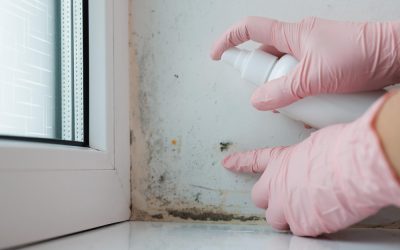
- Water Damage: Leaks in the roof can saturate insulation, leading to mould growth and further weakening its effectiveness.
- Pest Infestation: Rodents and insects can nest in loft insulation, leaving behind droppings and pathogens that pose significant health risks.
- Loft Conversions or Renovations: Existing insulation often needs to be removed or replaced to accommodate structural changes or new thermal requirements.
- Asbestos Risk: Some older homes may contain or be contaminated by vermiculite insulation, which can include asbestos fibres, a material that must only be handled by licensed professionals.
Understanding Your Insulation Material
Not all loft insulation is created equal. The type you have will determine both the complexity of removal and the level of risk involved:
- Fibreglass Wool: Common and effective, but highly irritating to skin, eyes, and lungs.
- Rock Wool (Mineral Wool): Similar to fibreglass, this insulation is also made of fine particles that require careful handling.
- Cellulose: While made from recycled materials, it creates significant dust during removal and can harbour moisture.
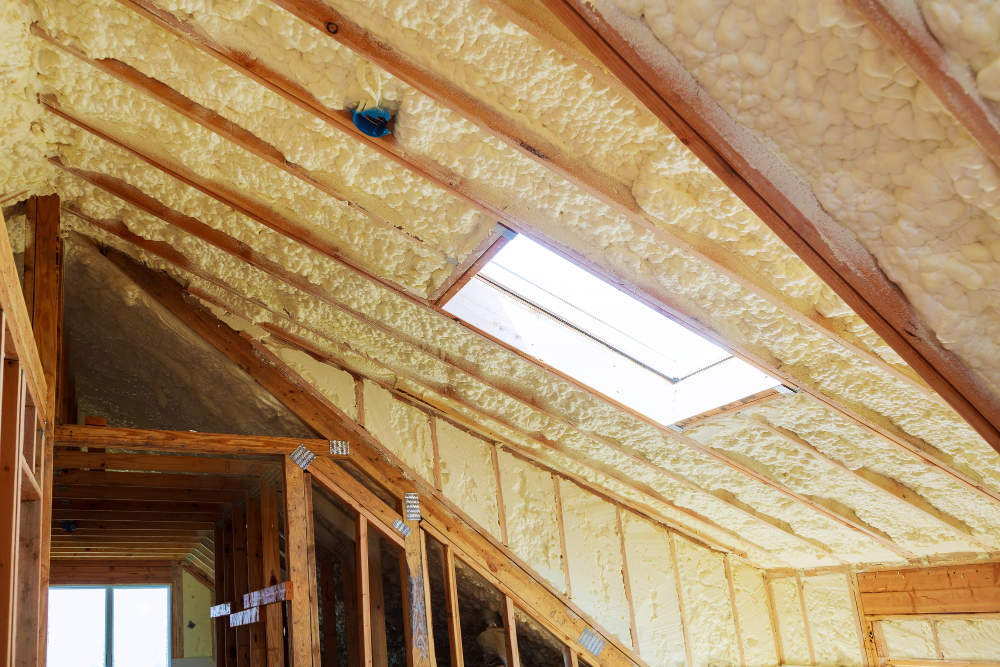
- Spray Foam or Foam Boards: Often bonded to surfaces, making removal challenging without damaging joists or roof linings.
- Vermiculite: Frequently found in older homes and can contain asbestos. Never attempt to remove this yourself.
Even common materials require professional-grade PPE and specialised extraction tools to handle safely.
The Risks of DIY Removal
While the idea of saving money might be appealing, attempting to remove loft insulation yourself can be dangerous and, in many cases, more costly in the long run.
Health Hazards
Exposure to fibreglass and mineral wool particles can lead to skin irritation, respiratory issues, and long-term lung damage if proper protection isn’t worn.
Structural Damage
Without the correct equipment and training, you risk damaging electrical wiring, plasterboard ceilings, or even your loft’s structural supports.
Improper Disposal
Insulation waste is classed as hazardous or difficult waste by many local authorities. Improper disposal could lead to fines and legal trouble.
Insurance and Liability
If you damage your property or suffer injury during DIY removal, your home insurance may not cover the costs. Professional services carry insurance for both liability and worker safety.
Why Professional Removal Is the Right Choice
Bringing in professionals ensures every aspect of the removal is handled safely, legally, and efficiently.
- Health & Safety Compliance: Professionals use industrial-grade PPE, dust extraction systems, and safe handling protocols to protect you and your home.
- Asbestos Handling: Certified contractors are legally authorised and equipped to manage any materials suspected of containing asbestos.
- Efficient Disposal: All waste is removed and disposed of in line with UK regulations, saving you the hassle of dealing with your local council’s waste policies.
- Expert Advice: Professionals can advise on the best replacement options tailored to your property and help future-proof your insulation investment.
- Time-Saving: What might take a homeowner a full weekend or longer can often be completed by a trained team in just a few hours, with minimal disruption.
Stay Safe and Compliant
Removing loft insulation may look simple, but it’s a task that demands more than just gloves and a dust mask. From dangerous fibres to hidden hazards and waste disposal, the job is best left to specialists who do this every day.
Attempting DIY removal not only puts your health and home at risk, but it can also lead to costly consequences if something goes wrong. With professional removal, you gain peace of mind knowing that the work is carried out safely, thoroughly, and in full compliance with UK safety and environmental standards.
Book Your Professional Loft Insulation Removal Today
If your loft insulation needs to be removed due to damage, infestation or renovation plans, don’t take unnecessary risks. Let our fully trained and insured team handle the job from start to finish.
Contact us now to book a free consultation and quotation. We’re here to take the stress and the mess out of your loft insulation removal.