Cavity wall insulation is often recommended as a great way to reduce heat loss and lower energy bills. But for some homeowners, it’s raised a few concerns especially when it comes to the risk of damp. So, is cavity wall insulation always to blame? Does it actually cause damp in every case?
Understanding Damp and How It Occurs
Before diving into the insulation aspect, it’s important to understand what damp is and how it forms.
Damp refers to the presence of excess moisture within the walls, floors or ceilings of a property. There are several types:
- Rising damp: Moisture from the ground moves upwards through porous building materials.
- Penetrating damp: Water leaks through walls or roofs due to faults or exposure to the elements.
- Condensation: Warm air inside meets cold surfaces and releases moisture, often leading to mould.
Cavity wall insulation has the potential to exacerbate penetrating damp but it’s rarely the root cause unless other conditions are already present.
When Can Cavity Wall Insulation Cause Damp?
Cavity wall insulation is not inherently a problem. It becomes an issue only when it’s installed incorrectly or in an unsuitable property.
Here are some situations where cavity wall insulation could lead to damp:
Poor External Maintenance
If your external walls have cracked render, damaged pointing, or faulty gutters, water can seep into the cavity. Once insulation is added, it can absorb this moisture and transmit it to the inner walls.
Inappropriate Property Type
Homes in exposed or coastal areas are more vulnerable to driving rain. If they weren’t originally designed for cavity insulation, adding it can create a bridge for moisture to travel through.
Blocked or Narrow Cavities
If the cavity is filled with rubble or is too narrow, there’s not enough space for proper airflow and drainage, leading to water retention and damp spots.
Incorrect Installation
Not all installers follow best practices. If insulation is poorly installed or the wrong type of material is used (especially in wet areas), it can absorb moisture and lose effectiveness sometimes leading to internal damp patches.
Does That Mean It’s Always a Risk?
Absolutely not. When installed correctly and in the right conditions, cavity wall insulation is safe, effective, and unlikely to cause damp.
Key conditions for a successful installation:
- Property suitability: Ideally post-1920s with unfilled cavity walls and good external condition.
- Professional survey: Reputable installers will conduct a full inspection to check cavity width, exposure level, and wall health.
- Use of certified materials: Water-repellent and breathable insulation materials are best suited to the UK climate.
- Trusted installer: Choose an accredited company
Warning Signs of Damp After Insulation
If you’ve recently had insulation installed and are noticing any of the following, it’s worth having your home inspected:
- Cold or damp spots on internal walls
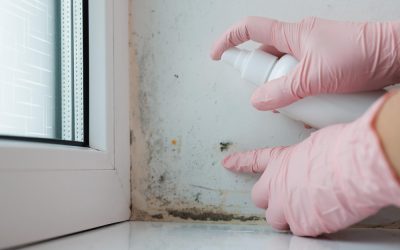
- Mould growth, especially near floor level or in corners
- Peeling paint or wallpaper
- Musty smells
- Increased condensation on windows
These symptoms don’t automatically mean the insulation is to blame, but they should be checked promptly to rule it out.
What to Do If You Suspect a Problem
If you suspect that your cavity wall insulation may be contributing to damp, take the following steps:
- Arrange a damp survey with an independent expert or insulation specialist.
- Check your warranty if your insulation was installed under a CIGA guarantee, you may be entitled to free remedial work.
- Inspect external walls and roof drainage often damp is caused by external water ingress rather than the insulation itself.
- Consider removal only if the insulation is confirmed to be failing or contributing to damp problems.
Preventing Damp Before It Starts
The best way to avoid insulation-related damp is by taking the right approach before installation:
- Choose experienced and certified professionals.
- Ensure your property is properly surveyed.
- Address any pre-existing issues such as damaged brickwork, poor ventilation, or roof leaks.
- Discuss your property’s exposure level and location with the installer to determine the best insulation type.
Conclusion
So, does all cavity wall insulation cause damp? No it doesn’t. When installed correctly in a suitable property, cavity wall insulation is a safe and effective way to improve energy efficiency and cut heating costs.
However, when corners are cut or properties are mis-assessed, problems can occur. That’s why it’s crucial to work with trusted professionals and have your home evaluated thoroughly before proceeding.
Worried About Damp or Insulation Issues?
If you’re seeing signs of damp or just want to make sure your cavity wall insulation is performing as it should, we’re here to help.
Get in touch today to book a professional inspection or speak to one of our insulation experts. We’ll assess your property and give you clear, honest advice on your best next steps for a drier, warmer, more comfortable home.