Damp in cellars is a common issue for homeowners in the UK, especially given the country’s often wet climate. If left untreated, damp can cause severe damage to your property, leading to mould, structural damage and a decrease in the value of your home.
Fortunately, damp-proofing your cellar can be an effective solution to protect your property from water ingress. In this article, we’ll guide you through the process of damp-proofing your cellar in the UK, offering expert tips and solutions to help you keep your space dry and safe.
Understanding Damp in Your Cellar
Before we dive into the damp-proofing process, it’s essential to understand the different types of damp that can affect your cellar. Damp in basements or cellars typically occurs due to one or more of the following factors:
Rising Damp: This happens when moisture from the ground rises through the walls of your cellar via capillary action. It can cause damage to plaster, timber and cause mould growth.
Penetrating Damp: This occurs when water seeps through the walls or ceiling due to cracks, faulty gutters or poor external drainage.
Condensation Damp: Cellars often have poor ventilation, leading to condensation on walls and ceilings. This can create an environment perfect for mould and mildew growth.
Understanding the type of damp affecting your cellar is key to choosing the right damp-proofing solution.
Step 1: Assess the Problem
Before you can begin damp-proofing your cellar, it’s important to assess the extent of the problem. Check for visible signs of damp, such as:
- Dark patches or watermarks on walls
- Peeling wallpaper or flaking paint
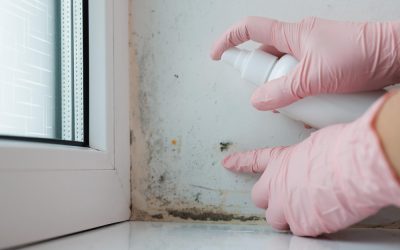
- Musty smells or visible mould growth
- Damp floors or wet patches
If you spot any of these signs, it’s essential to act quickly to prevent further damage. For serious cases, it’s best to call a professional damp-proofing company to assess the situation and provide expert recommendations.
Step 2: Improve Drainage and External Factors
The first line of defence against damp in a cellar is improving drainage around your home. Ensure that gutters, downpipes and drains are free from debris and functioning properly. Also, make sure that your garden is graded to direct water away from the foundation of your property. Standing water near the base of your building can exacerbate damp issues.
If you have any cracks in the exterior walls, these should be sealed. Cracks in brickwork or render can allow rainwater to penetrate your cellar walls, leading to penetrating damp. If the ground level around your cellar is too high, it may also encourage water to enter the building, so lowering the level around the cellar entrance could help prevent damp.
Step 3: Installing a Damp Proof Course (DPC)
One of the most common methods of damp-proofing a cellar is installing a Damp Proof Course (DPC). A DPC is a barrier that stops moisture from rising up through the walls, preventing rising damp. There are several options available, including physical barriers such as a plastic membrane or a chemical DPC injection.
Chemical DPC: This involves drilling holes into the cellar walls and injecting a waterproofing chemical into the masonry. The chemical then forms a barrier that blocks moisture from rising through the walls. This is a quick and effective solution for rising damp.
Physical DPC: A physical DPC is a more extensive process that involves inserting a waterproof layer between the wall and the foundation. This is usually a more costly option but is often necessary for severe cases of rising damp.
Step 4: Waterproofing the Walls and Floors
Once the DPC is installed, the next step is to waterproof the interior of the cellar. This can be done by applying a waterproofing treatment to the walls and floors. There are various methods available, including:
- Waterproof Plastering: Applying a waterproof render or plaster on the walls will help prevent moisture from penetrating through the walls.
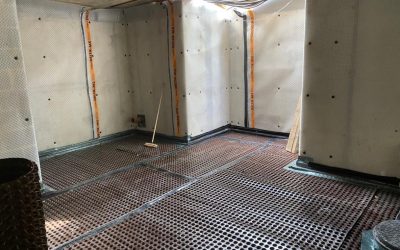
- Tanked Membranes: This involves the application of a liquid membrane that seals the walls and floors, creating a waterproof barrier. It’s particularly effective in areas with high moisture levels.
- Cavity Drainage Systems: For cellars prone to flooding, a cavity drainage system might be necessary. This system includes a network of drainage channels installed around the walls, which direct any water to a sump pump for removal. This system is highly effective in severe cases of penetrating damp.
Step 5: Improve Ventilation
Improving ventilation is essential to preventing condensation and promoting airflow. Inadequate ventilation leads to high humidity levels in the cellar, which can encourage mould growth and cause materials to deteriorate.
Consider installing a ventilation system, such as air bricks or vents, to allow moisture-laden air to escape. A mechanical ventilation system may also be a good investment, especially for larger cellars or those with little natural airflow.
Step 6: Insulate the Cellar
In addition to waterproofing, you may also want to consider insulation to improve the temperature and comfort of your cellar. Insulation can help to regulate temperature, reduce condensation, and prevent damp from forming in the first place. You can install thermal insulation on the walls and floors, which will also help to reduce energy costs if you plan to convert the cellar into additional living space.
Get Professional Help for Damp Proofing Your Cellar
Damp-proofing your cellar is essential for protecting your property and ensuring it remains a dry, safe and a healthy environment. While there are DIY solutions available, it’s often best to consult a professional damp-proofing company to ensure the job is done correctly and effectively. Our expert team has years of experience in cellar damp-proofing and can provide tailored solutions to meet your specific needs.
If you’re dealing with damp issues in your cellar, don’t wait until the problem worsens. Contact us today to schedule a consultation and get professional help to damp-proof your cellar. We offer expert advice and affordable solutions to keep your home dry and secure. Let us protect your property with our reliable damp-proofing services.