Condensation and mould growth in bathrooms are two common issues that can not only damage the aesthetics of your bathroom but also pose health risks. Excess moisture, combined with inadequate ventilation, creates the perfect environment for mould to thrive. Fortunately, with the right approach, you can reduce or completely eliminate condensation and mould problems in your bathroom. In this blog, we’ll explore practical ways to prevent these issues from occurring and ensure a healthier, cleaner bathroom.
Understanding Condensation & Mould in Bathrooms
Before addressing the solutions, it’s important to understand why condensation and mould are so prevalent in bathrooms. Bathrooms, by their very nature, are humid spaces. Showers and baths produce a significant amount of moisture, which can condense on walls, mirrors, and ceilings. This moisture, if left unchecked, can lead to the development of mould.
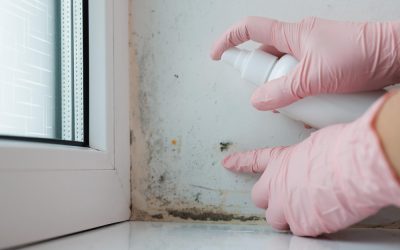
Mould spores are naturally present in the air, but when they find a damp environment, they begin to grow. In bathrooms, this growth is often seen on walls, ceilings, grout lines, and even in corners where moisture accumulates. Mould not only looks unsightly, but it can also cause respiratory issues, allergic reactions, and other health problems, making it crucial to control moisture in your bathroom.
Improving Ventilation to Reduce Moisture
Proper ventilation is the first line of defence against condensation and mould. Without adequate airflow, moisture is trapped in the bathroom, making it easier for mould to develop. To improve ventilation, consider these steps:
Install an Extractor Fan: If your bathroom doesn’t have an extractor fan, consider installing one. A fan helps expel moisture-laden air from the room, preventing condensation from settling on surfaces. Be sure to choose a fan with sufficient power for the size of your bathroom.
Open a Window: If possible, open a window while using the bathroom. Even a small amount of airflow can help reduce humidity levels. If your bathroom doesn’t have a window, consider installing one or exploring other ventilation options.
Use an Air Vent or Trickle Vent: If your bathroom is windowless or lacks natural ventilation, an air vent or trickle vent can help. These vents allow air to circulate without compromising privacy.
Controlling Humidity Levels in Your Bathroom
High humidity is the primary cause of condensation and mould growth. By reducing the moisture in your bathroom, you can significantly reduce the chances of mould formation. Here are some ways to control the humidity levels:
Use a Dehumidifier: A dehumidifier can be a game-changer when it comes to reducing humidity. These devices extract moisture from the air, helping maintain a balanced level of humidity in the bathroom.
Towel Dry the Room: After taking a shower or bath, use a towel to wipe down wet surfaces, especially on tiles and glass. This reduces the amount of water that remains on surfaces and, in turn, decreases the likelihood of condensation.
Keep Your Bathroom Dry: After each use, try to ensure that the room is as dry as possible. For example, hang wet towels outside the bathroom to prevent additional moisture from building up.
Preventing Mould Growth on Surfaces
Even with good ventilation and moisture control, mould can still grow on bathroom surfaces if they are consistently damp. To prevent mould from appearing, follow these tips:
Clean and Dry Regularly: Clean your bathroom surfaces regularly, paying particular attention to areas that are prone to mould, such as tiles, grout lines, and behind the toilet. Dry the surfaces after cleaning to prevent moisture from lingering.
Use Anti-Mould Paint: In high-risk areas, such as shower walls, consider using anti-mould or moisture-resistant paint. This type of paint is specifically designed to resist the growth of mould, providing an additional layer of protection.
Seal Grout and Tiles: Grout lines are often where mould finds a foothold. To protect grout and tiles from moisture, apply a mould-resistant sealant. This helps prevent moisture from penetrating the grout, reducing the chance of mould growth.
Addressing Leaks & Damp Issues
Leaks are another common cause of moisture accumulation in bathrooms. A leaking pipe or damaged seal can introduce water into areas where it shouldn’t be, contributing to both condensation and mould growth. Here’s what you can do:
Check for Leaks: Regularly inspect the bathroom for any signs of leaks, particularly around the shower, bathtub, sink, and toilet. If you notice any damp spots or water stains, it’s important to address the leak as soon as possible.
Fix Damaged Seals: Check the seals around your shower doors, windows, and taps. Over time, these seals can degrade, allowing moisture to seep through. Replacing or repairing damaged seals will help prevent unnecessary water ingress.
Maintaining a Comfortable Temperature
A bathroom that’s too cold or too hot can contribute to condensation. When warm, moist air meets cold surfaces, condensation occurs. To help balance the temperature, consider these tips:
Install Underfloor Heating: Underfloor heating helps maintain a comfortable and consistent temperature throughout the bathroom. This can reduce condensation on cold floors and walls.
Use a Bathroom Heater: If installing underfloor heating is not an option, consider using a small, energy-efficient heater in the bathroom to maintain a warm and comfortable environment.
Conclusion
Condensation and mould in the bathroom are problems that many homeowners face, but with the right steps, they can be controlled and prevented. Improving ventilation, reducing humidity, cleaning regularly, and addressing leaks are all effective strategies in combating moisture-related issues. Taking these precautions will not only enhance the comfort of your bathroom but also protect your health and your home.
If you’re struggling with persistent damp issues or need expert advice on managing condensation and mould in your bathroom, contact us today. Our team specialises in damp solutions and can help you create a healthier, mould-free environment in your home.