Attic insulation is essential for energy efficiency and temperature control in any home, but like all building materials, it doesn’t last forever. Many homeowners are unsure whether it’s necessary or worth it to remove old attic insulation, especially if it’s still in place and not visibly damaged.
Old or damaged insulation might not seem like a big issue at first, but over time it can really take a toll on your comfort, your health, and even your energy bills. In this article, we’ll look at the signs that it might be time to remove your attic insulation, the benefits of getting it replaced, and why bringing in the experts is often the best move.
When Is Insulation Considered “Old”?
Insulation materials degrade over time, reducing their effectiveness. Most traditional attic insulation, such as fibreglass or mineral wool, has a lifespan of 20–30 years under ideal conditions. However, factors like poor ventilation, roof leaks, or pest activity can accelerate this timeline significantly.
Here are a few indicators your insulation may be past its prime:
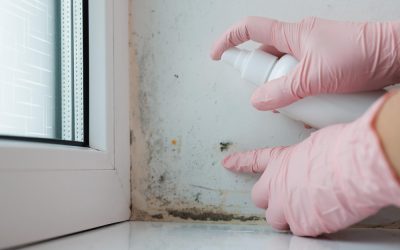
- Visible Discolouration: Dark or stained insulation often signals water damage or mould growth.
- Crushed or Compacted Material: Older fibreglass and wool-based products can compress over time, losing their insulating properties.
- Persistent Draughts or Temperature Swings: Inconsistent room temperatures, especially in the upper floors, may point to ineffective attic insulation.
- Increased Energy Bills: A steady rise in heating or cooling costs is a tell-tale sign of declining insulation performance.
- Pest Activity: Droppings, nests, or damage to the insulation suggest rodents or insects have been present making replacement essential for hygiene and safety.
Why Removing Old Insulation Is Often Worthwhile
Many homeowners assume that adding new insulation on top of the old is a sufficient fix. While this may sometimes work, it’s not always effective and in many cases, it leads to bigger issues.
Here’s why removing the old material first is often the better investment:
Improved Thermal Efficiency
Old, damp, or compacted insulation can trap cold air and allow heat to escape, undermining your home’s energy performance. Removing it and replacing it with high-performance materials ensures maximum thermal benefit.
Health and Air Quality
Mouldy or pest-contaminated insulation can harbour allergens, bacteria, and irritants that compromise your indoor air quality. Removal eliminates these hidden health risks.
Moisture Control
Damaged or degraded insulation can trap moisture, leading to rot in timber structures or hidden mould problems. Proper removal helps restore a dry, breathable roof space.
Structural Assessment
Removing insulation gives professionals a chance to inspect the loft space for issues such as leaks, cracked rafters, or blocked vents problems that often go unnoticed when insulation is left undisturbed.
Future-Proofing
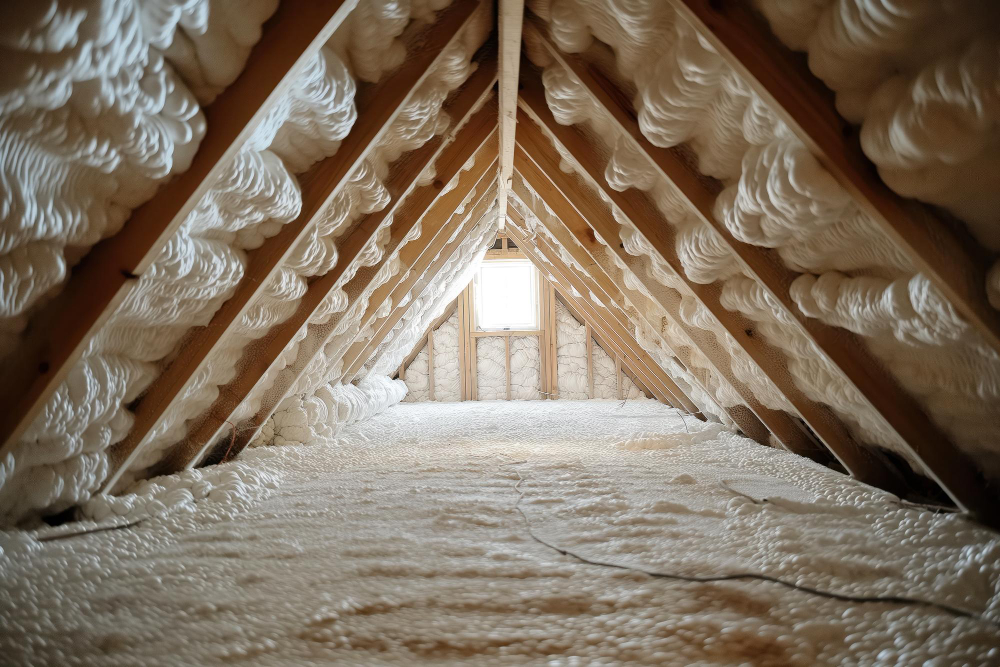
New insulation materials offer improved performance, fire resistance, and sustainability. Replacing outdated products ensures your home is compliant with current energy standards and prepared for years to come.
Why This Is Not a DIY Job
While the idea of clearing out the attic might seem manageable, insulation removal is a demanding, potentially hazardous task that’s best left to experts.
Exposure Risks
Old insulation materials can release fine particles, spores, and contaminants into the air—especially if mould or pest damage is present. Without proper PPE and ventilation, you risk serious respiratory issues.
Disruption and Dust
Even a careful DIY approach creates significant mess, which can spread into your home if not managed correctly with specialist extraction tools and containment measures.
Safe Waste Disposal
Insulation must be disposed of according to local environmental regulations. Professionals will manage this legally and efficiently, saving you time and hassle.
Potential Asbestos
Some older properties may contain vermiculite insulation that could be contaminated with asbestos. In these cases, only licensed contractors are legally permitted to carry out removal.
The Long-Term Value of Professional Removal
Professional attic insulation removal is not just about replacing an old material—it’s about investing in the comfort, safety, and efficiency of your home.
By hiring a certified team, you ensure:
- Thorough removal with minimal disruption
- Compliance with health and safety standards
- Proper inspection and aftercare recommendations
- Clean, legal disposal of waste materials
- A better-performing and energy-efficient home
Conclusion
If your attic insulation is old, damp, infested, or simply underperforming, removing and replacing it can dramatically improve your home environment. From lower energy bills to better air quality and structural peace of mind, the benefits are clear.
While some may consider it a DIY project, the risks and complexity involved make professional removal the safest and most effective route.
Book Your Insulation Assessment and Removal Today
Thinking about upgrading your attic insulation? Our experienced team can inspect your existing materials, identify any health or performance issues, and carry out safe, compliant removal.
Contact us to book a free attic insulation consultation. We’ll take care of the removal, so you can enjoy a warmer, healthier and more efficient home.