As the colder months set in, many homeowners find themselves battling damp and condensation issues. These problems not only cause structural damage to properties but can also lead to health concerns. Understanding what causes damp and condensation and how to prevent or treat them is essential for maintaining a warm, dry home throughout winter.
Understanding Winter Damp and Condensation
Damp and condensation often appear more prominently in winter due to a combination of colder external temperatures and increased indoor heating. As we keep our homes warm, the contrast between indoor and outdoor air temperatures leads to moisture build-up, particularly on windows and cold surfaces.
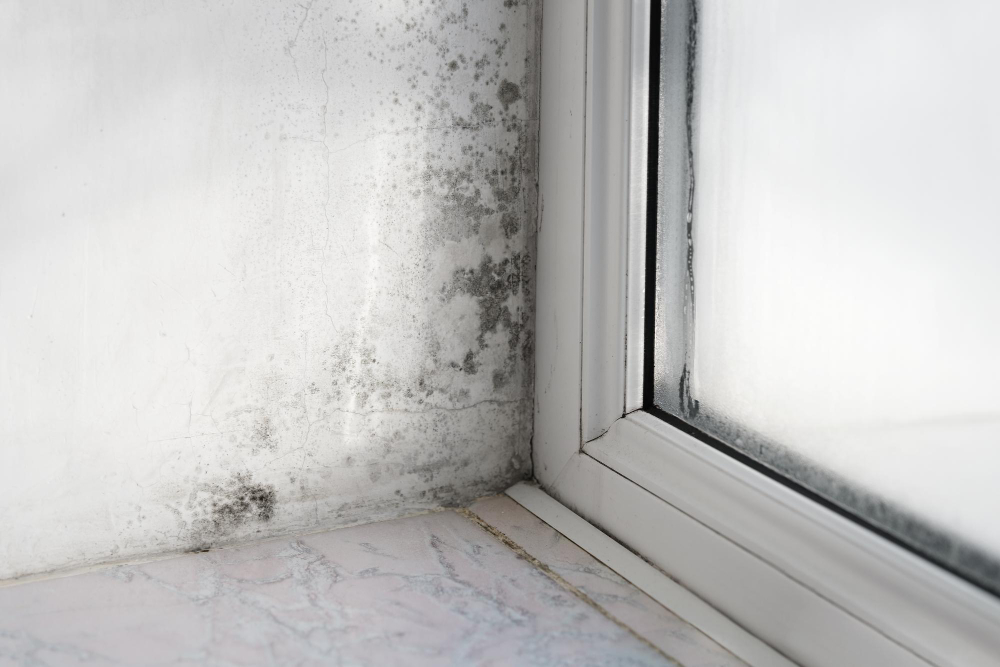
Condensation occurs when warm, moist air meets a cold surface, such as windows, walls, or ceilings, causing water droplets to form. This is the most common form of damp and is usually seen in poorly ventilated areas like bathrooms, kitchens, and bedrooms.
Rising damp, on the other hand, occurs when moisture from the ground is absorbed through brickwork and foundations, leading to structural damage. Penetrating damp is another issue, caused by external water seeping through walls due to damaged roofs, blocked gutters, or cracked masonry.
Common Signs of Damp and Condensation
Recognising the signs of damp and condensation early can help prevent more serious damage. Common indicators include:
- Water droplets forming on windows and cold surfaces
- Mould growth on walls, ceilings, and around windows
- Peeling wallpaper or blistering paint
- Musty odours in certain rooms
- Damp patches or stains on walls and ceilings
- Rotting skirting boards or flooring
If left untreated, these issues can lead to severe property damage and pose health risks, especially for those with respiratory conditions.
Preventing Damp and Condensation in Winter
There are several effective ways to reduce the risk of damp and condensation in your home during the colder months.
Improve Ventilation
Good ventilation is key to managing indoor moisture levels. Ensure that extractor fans in kitchens and bathrooms are functioning correctly and used regularly. Open windows for short periods to allow fresh air to circulate, particularly after cooking, showering, or drying clothes indoors.
Use a Dehumidifier
Dehumidifiers help remove excess moisture from the air, reducing condensation build-up. They are particularly useful in rooms with poor ventilation or where drying laundry indoors is necessary.
Maintain Consistent Heating
Keeping your home at a steady temperature helps reduce condensation. Avoid sudden temperature changes by maintaining a low-level background heating even when you are out. This prevents surfaces from becoming excessively cold and reduces the likelihood of moisture condensing on walls and windows.
Insulate Your Home
Proper insulation helps regulate indoor temperatures and reduces the occurrence of condensation. Installing double-glazed windows, loft insulation, and draught-proofing doors and windows can make a significant difference in keeping your home warm and dry.
Address Structural Issues
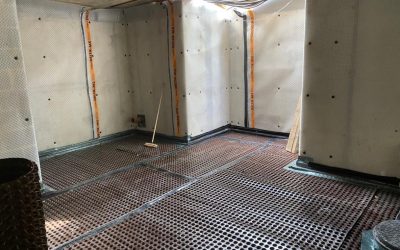
If you suspect rising or penetrating damp, it is crucial to address the root cause. Check for leaking gutters, damaged roof tiles, or cracks in external walls. Waterproof coatings and damp-proof membranes can also be applied to prevent moisture ingress.
Treating Existing Damp and Mould
If damp and mould have already developed, taking swift action is important to prevent further damage.
Clean Mould Safely
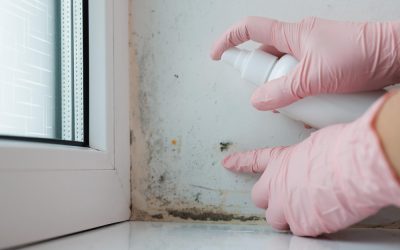
Use a specialist mould cleaner or a mixture of water and white vinegar to remove mould from surfaces. Always wear gloves and a mask to protect yourself from spores, and ensure the room is well-ventilated while cleaning.
Repaint with Anti-Mould Paint
After treating affected areas, repaint walls with anti-mould paint to prevent regrowth. This is particularly useful in high-moisture areas like bathrooms and kitchens.
Fix Leaks and Improve Drainage
Check for leaks in your plumbing, roof, and gutters, and ensure water is draining away from your property correctly. Blocked or damaged drainage systems can contribute to penetrating damp.
Long-Term Solutions for Damp and Condensation
For persistent issues, professional intervention may be required. Damp-proof courses, cavity wall insulation, and advanced ventilation systems such as positive input ventilation (PIV) units can provide long-term solutions to keep your home dry and free from moisture problems.
Get Expert Help for Your Damp and Condensation Problems
If you are struggling with persistent damp or condensation issues this winter, professional assistance can help identify the cause and implement effective solutions. Our team of experts specialises in diagnosing and treating damp-related problems, ensuring your home remains warm, dry, and comfortable all year round.
Contact us today for expert advice and tailored solutions to protect your property from winter damp and condensation issues.